
Why Natural Grass Fails in Arizona and How Artificial Turf Fixes It
Keeping a natural lawn alive in the East Valley often feels like a full-time job. Caldera Renovations talks to homeowners every week who are frustrated by patchy yellow grass and skyrocketing water bills. The reality is our local environment actively fights against traditional sod, leaving you with a yard that looks tired no matter how much time you spend working on it.
The issue goes much deeper than just the summer heat. By looking at what is happening below the surface, we can understand why traditional yards struggle here and how artificial turf offers a permanent fix. Upgrading your yard stops the endless cycle of watering and fertilizing so you can actually enjoy your outdoor space.
What We Cover:
- The Battle Against Hard Desert Soil
- The True Cost of Constant Watering
- Why Do-It-Yourself Fixes Usually Make Things Worse
- How Artificial Turf Solves the Root Problem
- Time to Rethink Your Lawn Strategy
The Battle Against Hard Desert Soil
When we dig into yards around San Tan Valley, we rarely find good topsoil. We find heavily compacted clay and caliche layers that feel like concrete. This ground composition stops grass roots from growing deep enough to survive the hot months.
Why is it so hard to grow grass in Arizona?
The combination of dense soil and high ground temperatures bakes shallow root systems. Because the soil is packed so tight, the roots stay near the surface where the heat is most extreme. This makes the grass highly vulnerable to drought stress and disease.
→ From a professional standpoint: Your soil composition dictates everything, meaning no amount of top watering will fix a hardpan base.
The True Cost of Constant Watering
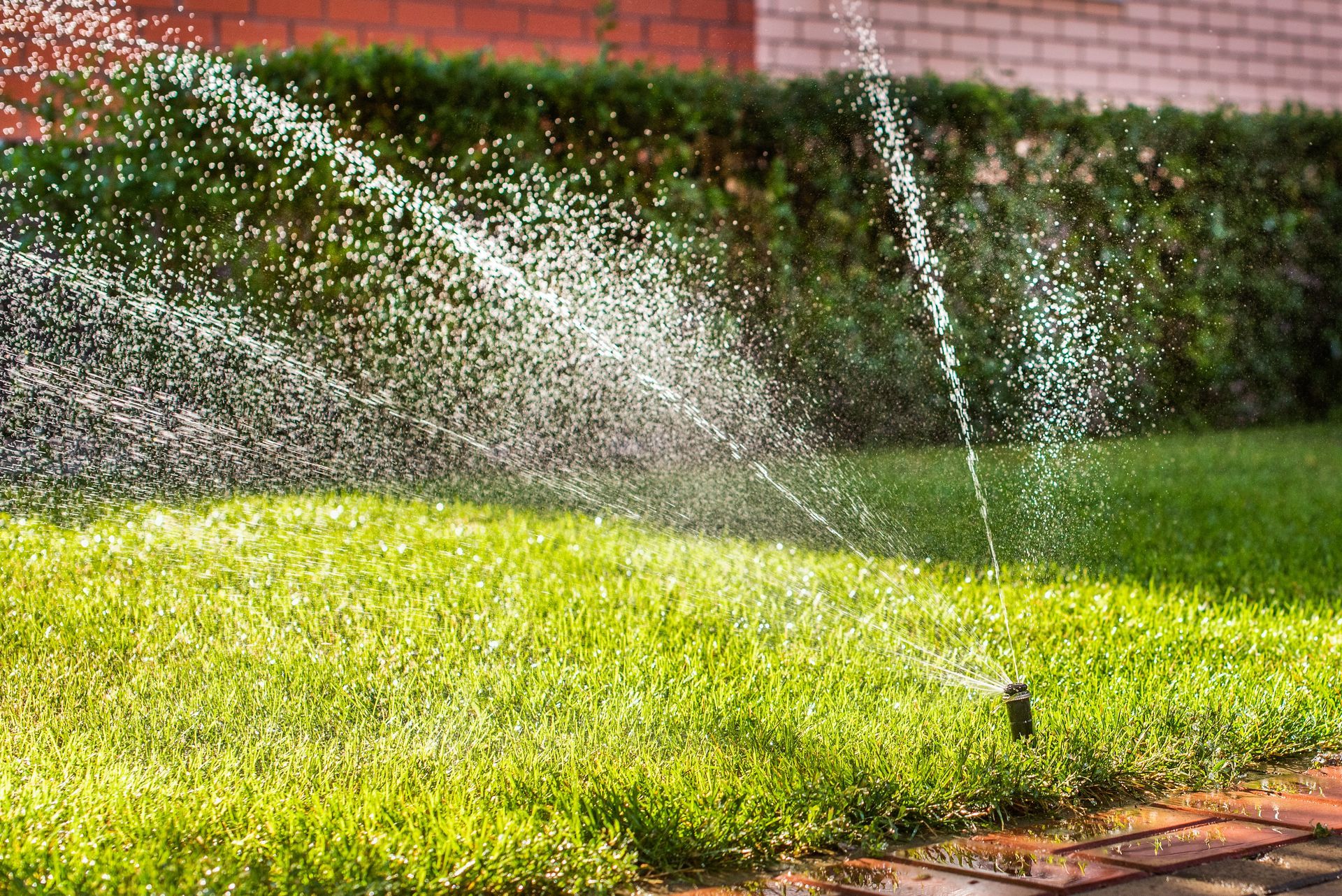
Trying to force grass to grow in these conditions requires a massive amount of water. You end up running your irrigation system constantly just to keep the lawn from turning brown. Even worse, that water rarely penetrates the hard soil.
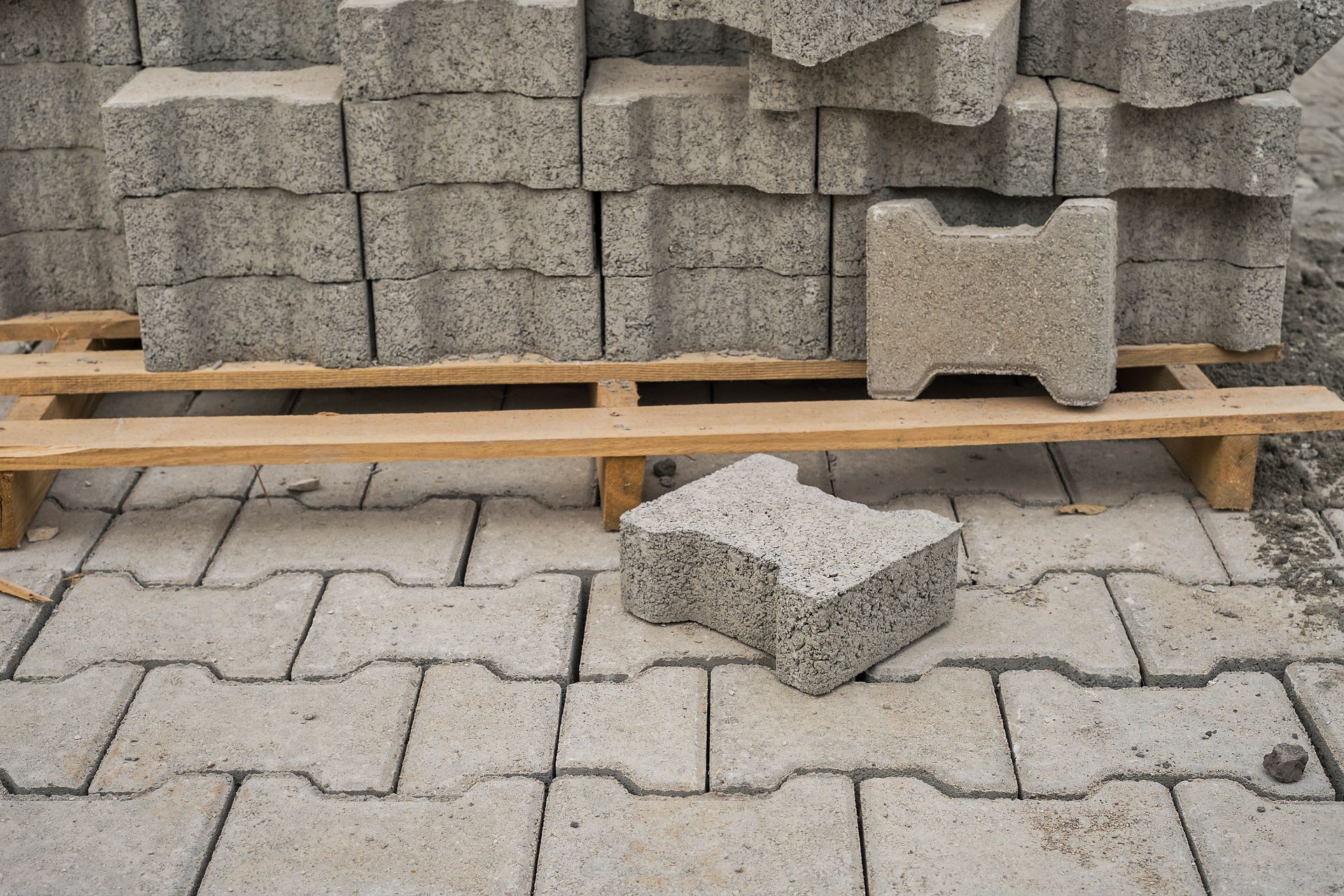
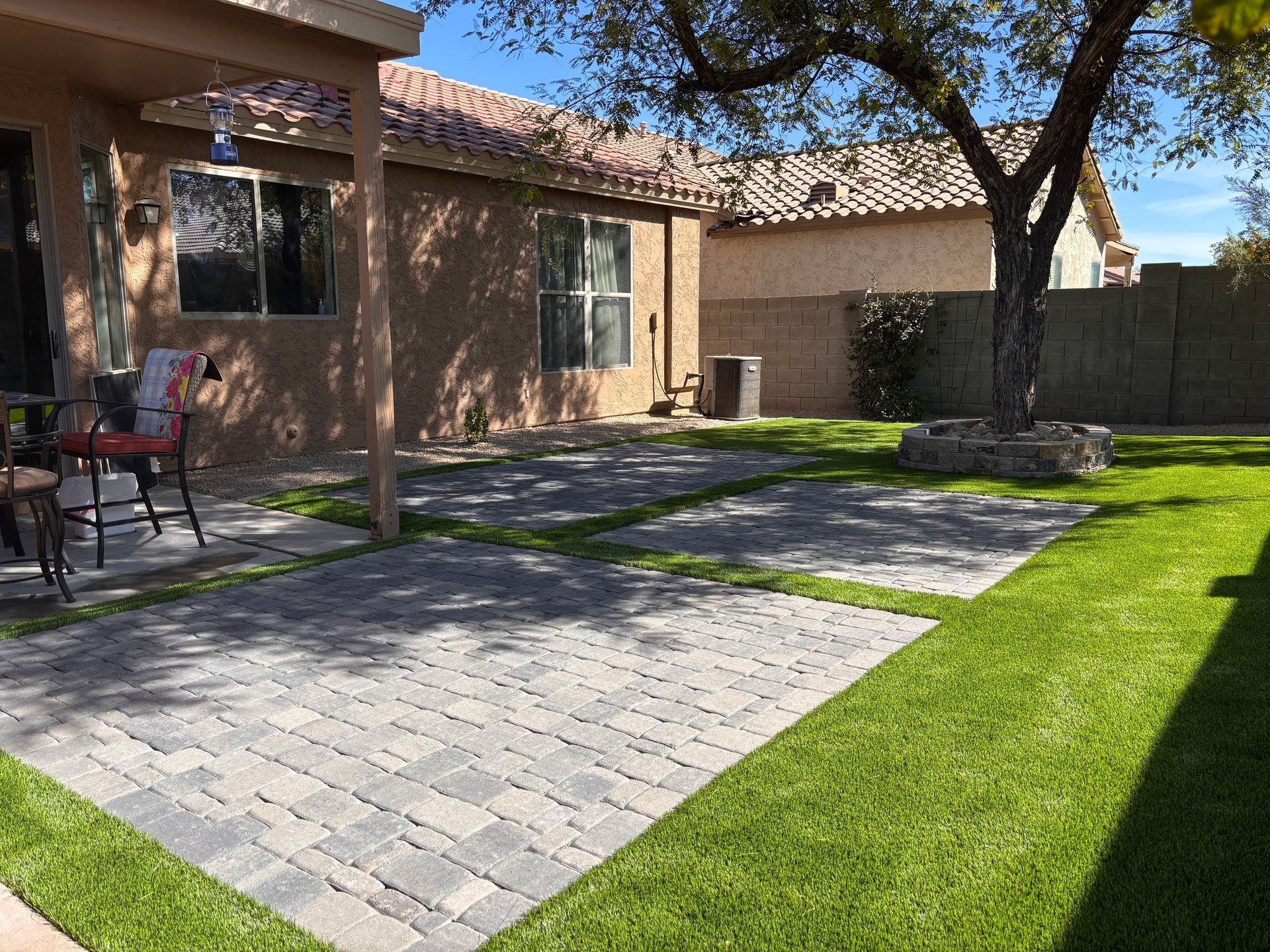
Most of the water simply runs off into the street or creates muddy low spots in your yard. This runoff can even damage other areas of your property, undermining paver patios or causing erosion around your foundation.
→ A quick tip to remember: Water pooling on the surface of your lawn is a sign your soil has rejected the moisture.
Why Do-It-Yourself Fixes Usually Make Things Worse
Many homeowners try to save their dying grass by throwing down more fertilizer, renting aerators, or piling on bags of store-bought topsoil. These do-it-yourself attempts rarely work and often create bigger headaches.
Aerating hard caliche soil with consumer-grade rental equipment barely scratches the surface. Dumping fresh topsoil over compacted clay just creates a shallow sponge that holds water against the grass blades. This trapped moisture breeds fungal diseases that wipe out whatever grass you have left.
→ From a professional standpoint: Adding new dirt over a bad base just hides the structural problem for a few weeks before the lawn fails again.
How Artificial Turf Solves the Root Problem
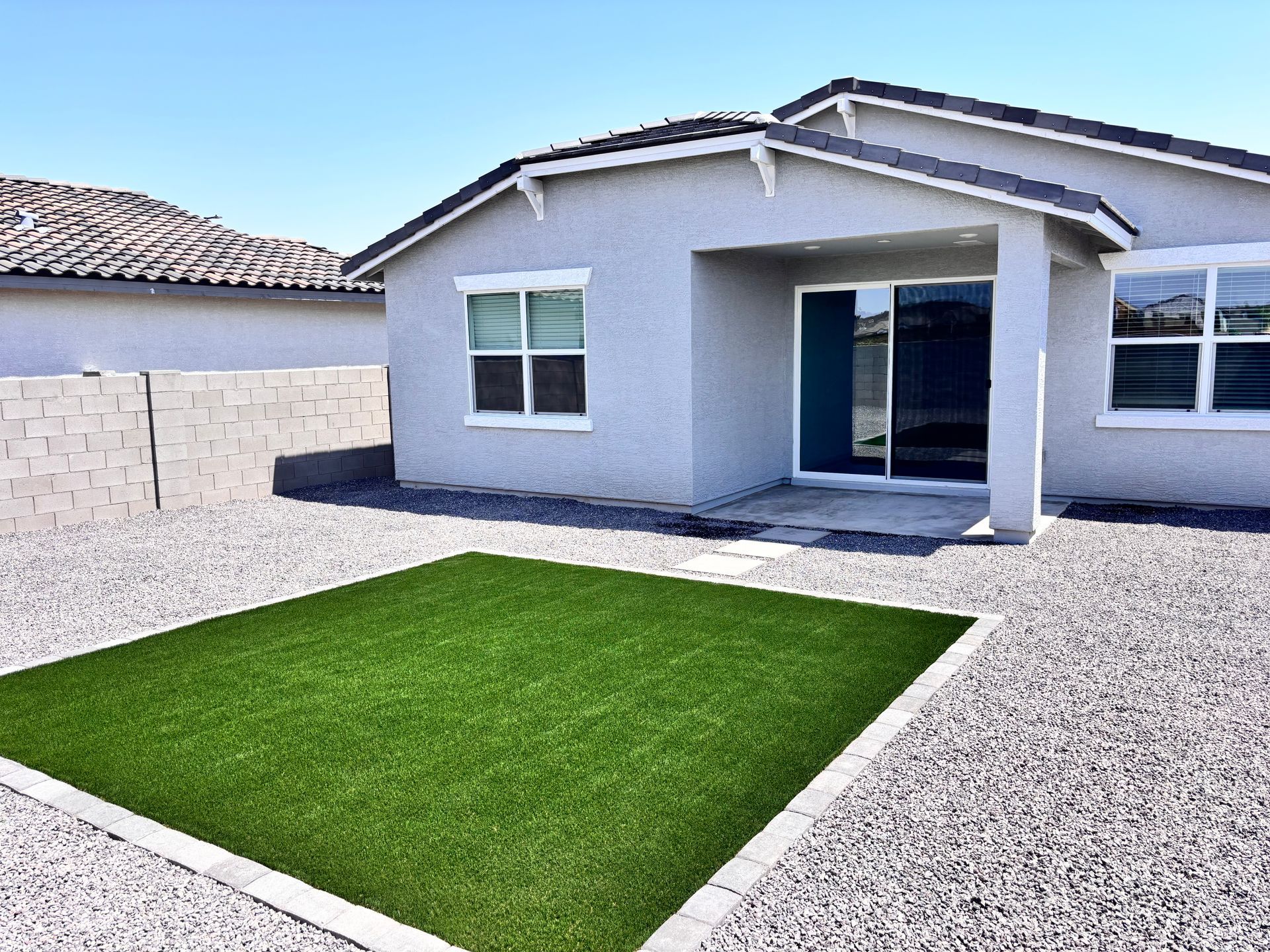
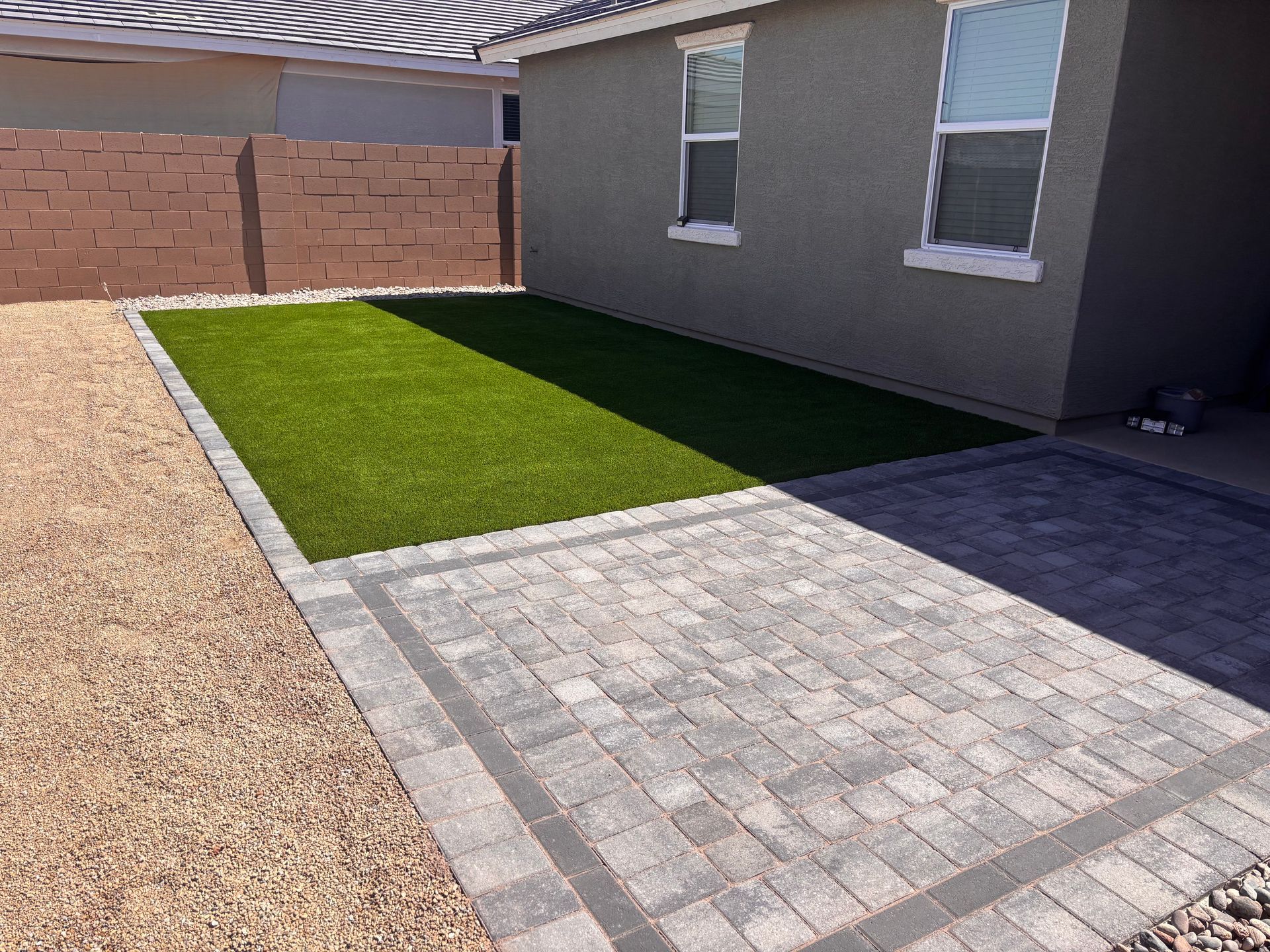
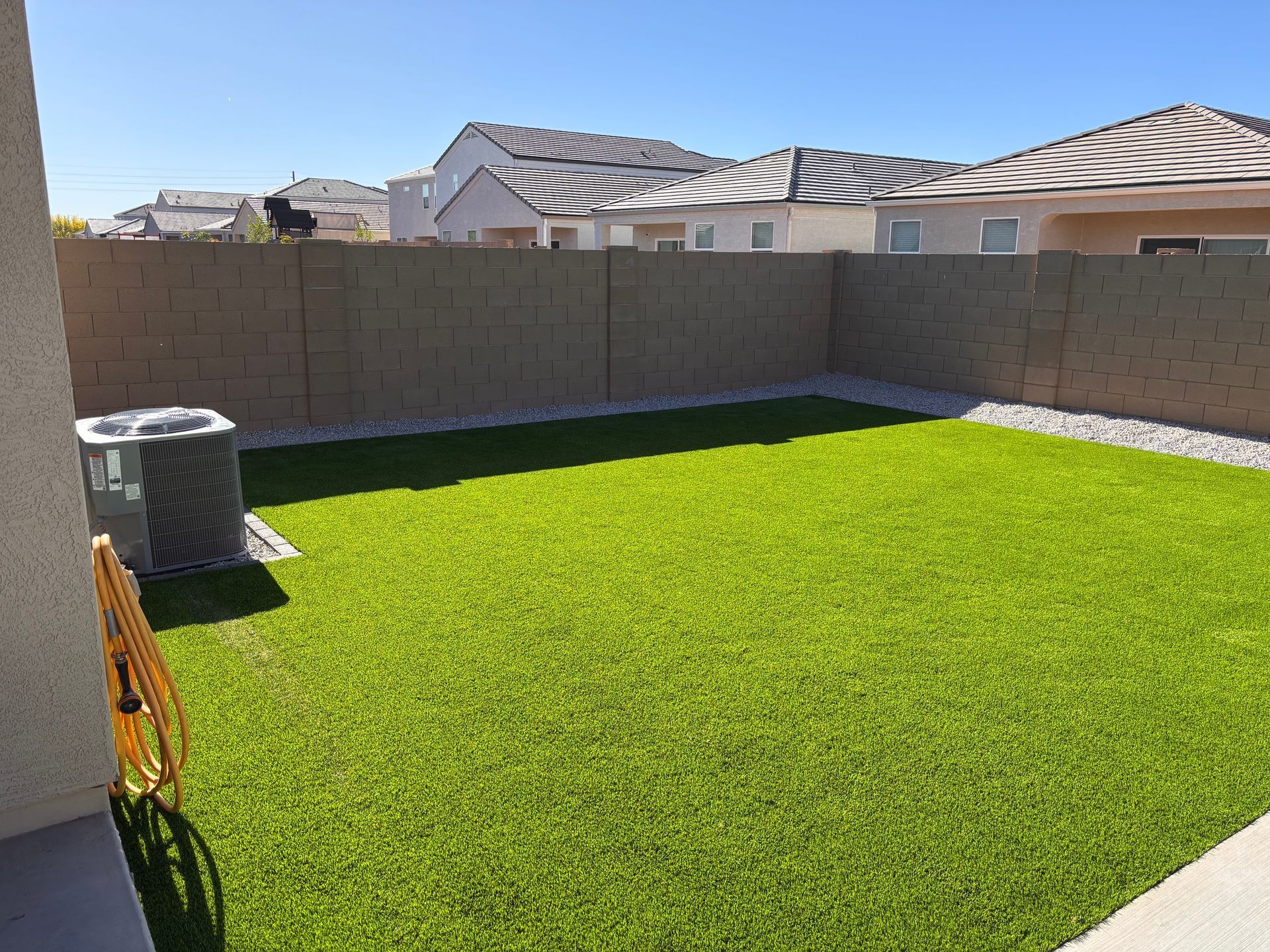
A professional artificial turf installation entirely removes the failing soil equation from your yard. We excavate the bad dirt, remove the natural grass completely, and build a brand new structural foundation.
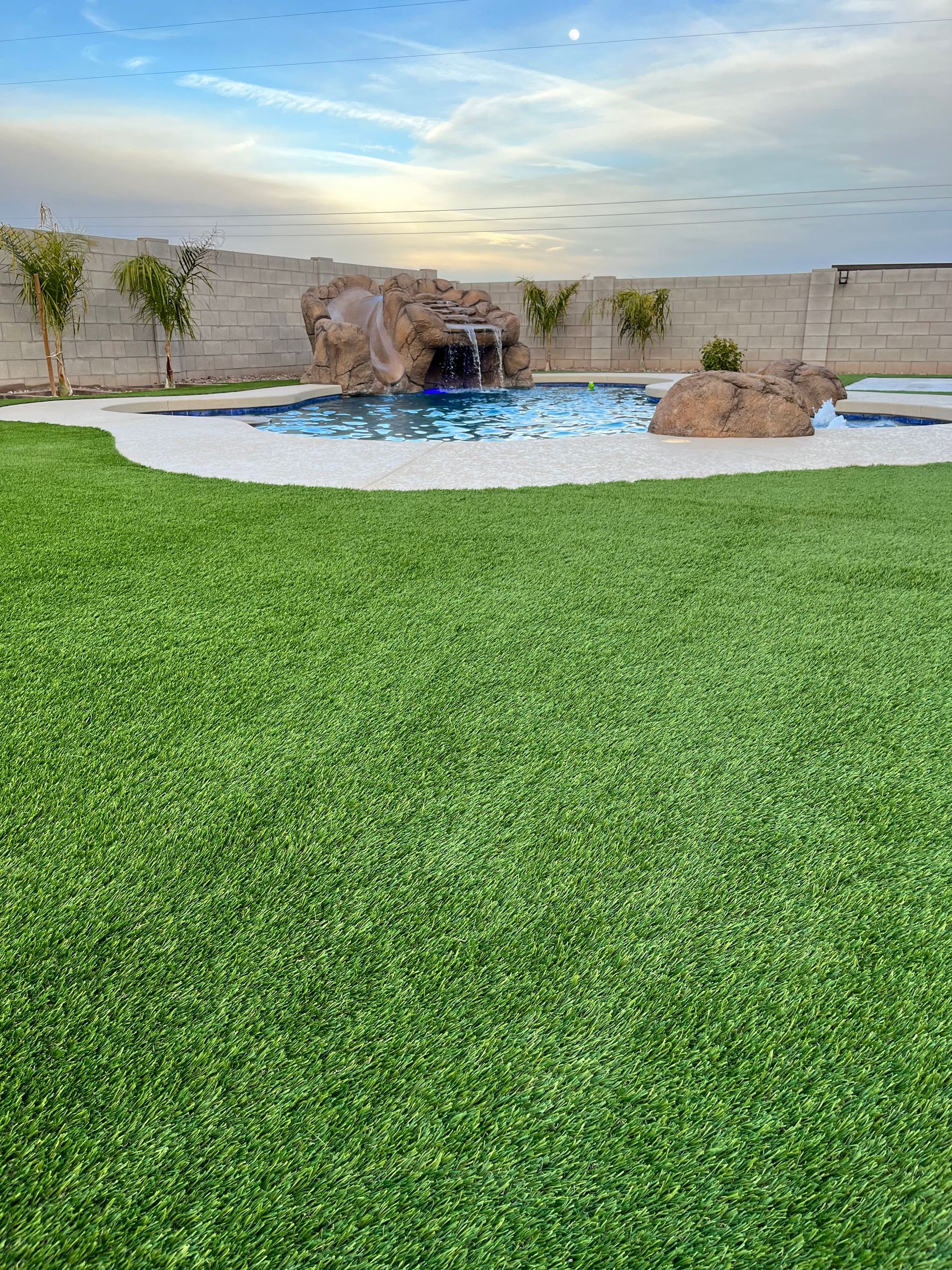
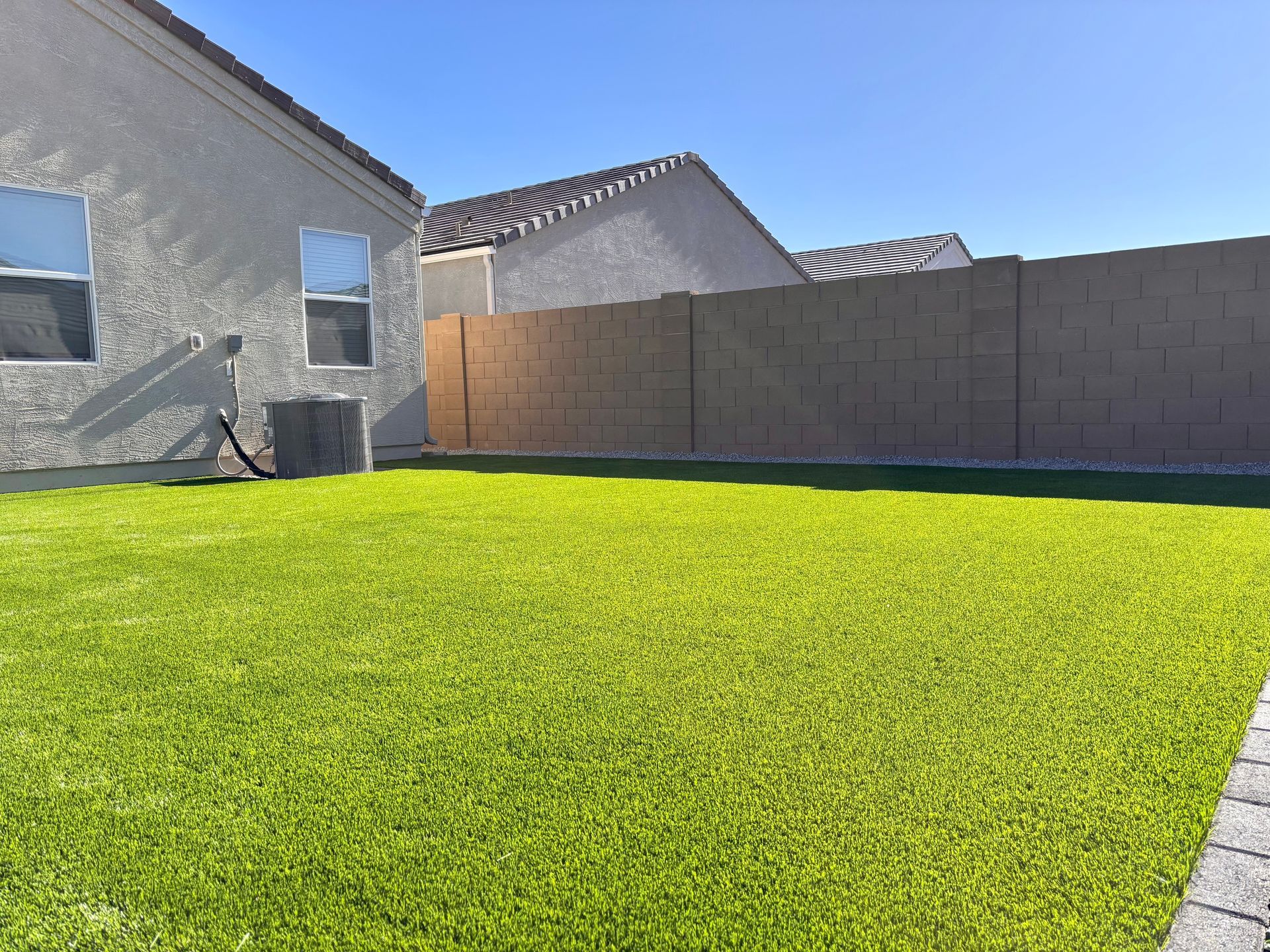
This process involves laying a deep compacted aggregate base that promotes rapid drainage. Your yard will drain better than it ever did with natural grass. The synthetic grass is then secured over this stable base, giving you a green yard that completely ignores the local soil conditions and extreme heat.
→ A quick tip to remember: The true value of synthetic grass lies in the engineered drainage base installed underneath it.
Time to Rethink Your Lawn Strategy
Ditching natural grass removes the stress of dealing with hard soil and constant watering. You regain your weekends and stop throwing money at a yard that refuses to cooperate. Making the switch to a synthetic lawn gives you a reliable outdoor space that looks great in every season.
Share This Blog