
What to Check Before Booking a Turf Installation Contractor in Arizona
Getting estimates for a new yard upgrade is confusing when the pricing is completely different from one company to the next. Many homeowners simply pick the middle option without knowing what materials they are actually buying. Caldera Renovations regularly replaces bad installations because a previous contractor sold a cheap job and skipped the structural steps. The yard looks acceptable for a few weeks before the corners lift up and the middle turns into a muddy swamp.
Understanding how to evaluate a project proposal protects your property and your wallet. A durable turf installation requires very specific construction methods to survive the intense climate in the East Valley. The following guide explains the technical details you need to verify before you sign a contract. Using these tips helps you find a trustworthy local crew who will do the job correctly the first time.
What We Cover in This Guide:
- The Importance of the Turf Installation Foundation
- Spotting Red Flags in Contractor Quotes
- Questions You Must Ask Your Installer
- Securing Your Yard Upgrade
The Importance of the Turf Installation Foundation
The artificial grass you see on top is honestly the least critical part of a backyard project. The actual lifespan of your yard relies completely on the aggregate foundation built below the surface. This hidden layer controls all the water drainage and prevents the ground from collapsing when you walk on it.
How many inches of base do you need for artificial turf?
A properly built yard requires a minimum of three to four inches of mechanically compacted aggregate rock. Anything less than a three inch depth will eventually fail under normal foot traffic and cause the surface to wrinkle.
• Rock Mixture: The foundation must consist of a coarse crushed rock material that locks together tightly under pressure.
• Weed Prevention: A heavy woven geotextile fabric must separate the clean rock from your native dirt to stop weeds from growing through the drainage holes.
• Plate Compaction: The crew needs to run a heavy vibratory plate compactor over the rock to pack it down until it feels like concrete.
Spotting Red Flags in Contractor Quotes
Cheap bids usually hide massive shortcuts that will cost you thousands of dollars in replacement work later. Knowing how to identify a poorly written proposal is your best defense against bad contractors. A trustworthy company will gladly list exactly what they are doing to your yard.
• Missing Excavation Details: If the proposal does not say exactly how many inches of native soil they are hauling away, they are likely just rolling grass over your existing dirt.
• Vague Material Descriptions: Avoid quotes that just list base rock instead of naming the specific type of aggregate they will use for drainage.
• Unlisted Sand Infill: The estimate must explicitly state what kind of infill sand will be brushed into the grass to weigh it down and protect the backing.
Questions You Must Ask Your Installer
You have the right to ask technical questions during the estimate phase. Forcing a contractor to explain their specific methods proves whether they possess actual trade knowledge or if they are just a salesperson. If you live in Florence or Casa Grande, you know how tough our desert soil gets, so you need a crew that understands heavy excavation.
• Ask About Seams: Demand to know exactly how they join the rolls of grass together. They must use professional seaming tape and industrial glue, not just metal landscape spikes.
• Ask About Grading: Make them explain how they will pitch the base rock to ensure rainwater flows away from your home foundation.
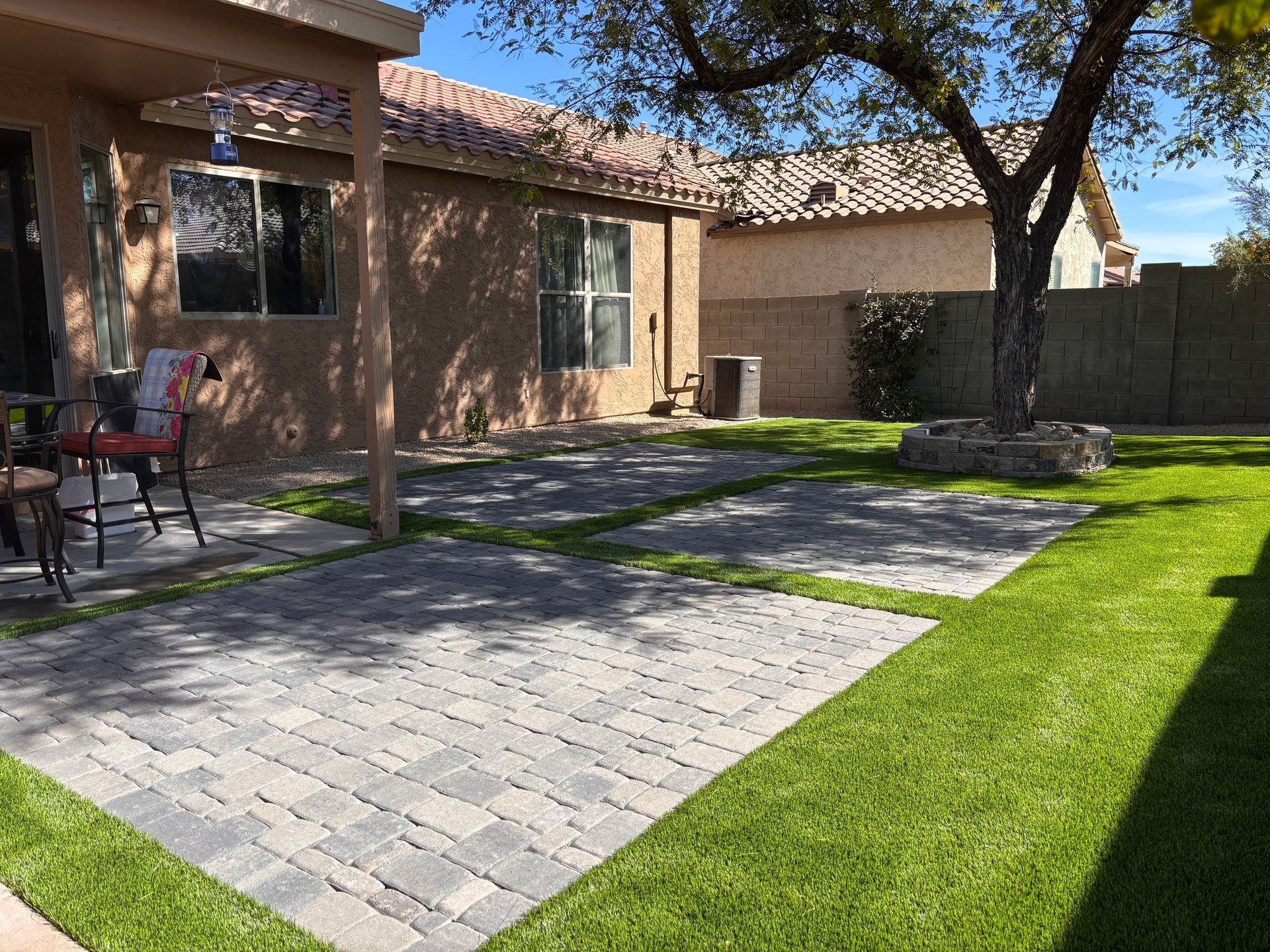
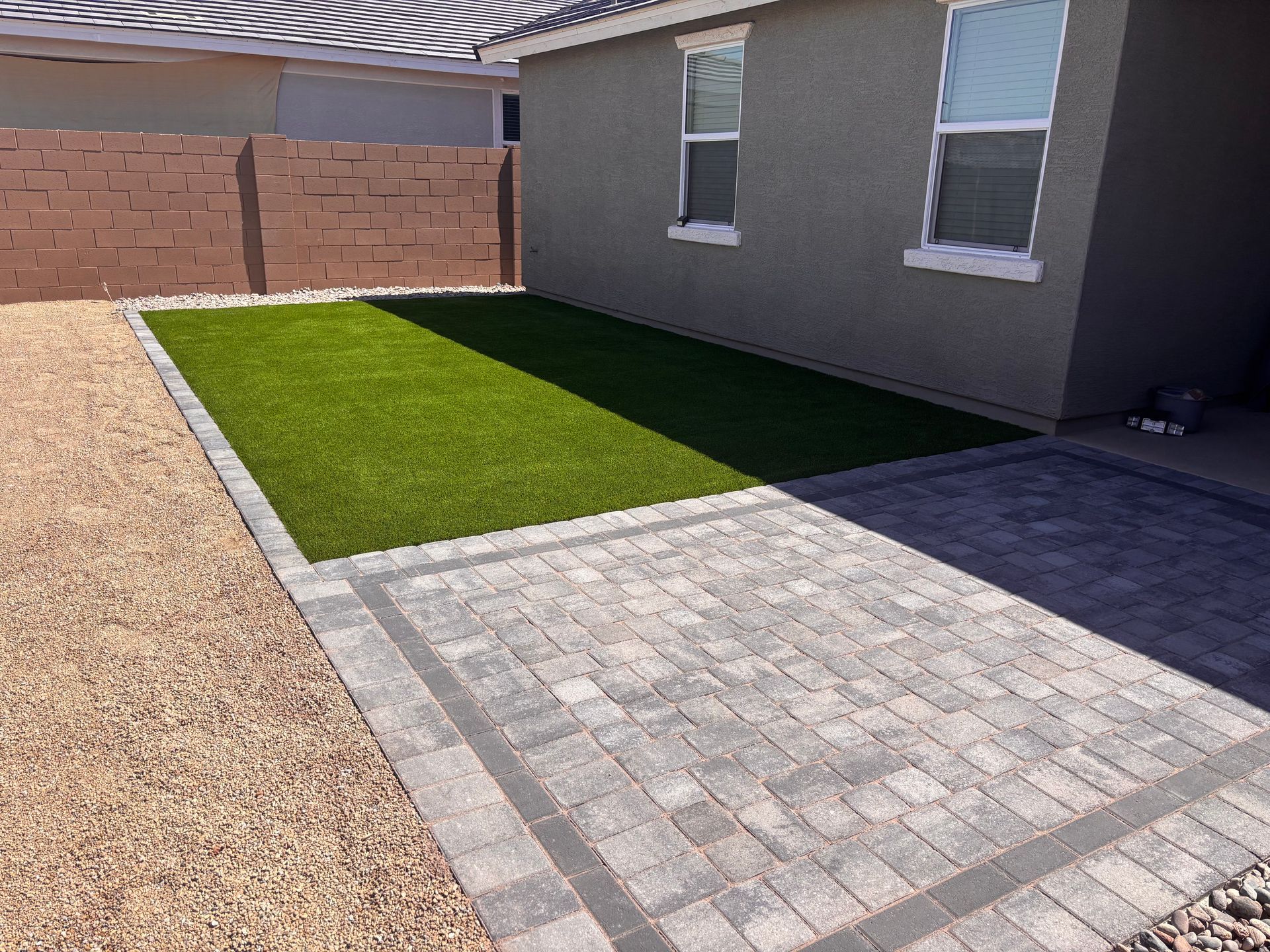
• Ask About Hardscape Integration: If you have an existing stone patio, ask exactly how they plan to secure the synthetic grass edges flush against the hardscape without creating a tripping hazard.
Securing Your Yard Upgrade
A proper synthetic yard requires a heavy investment and should perform flawlessly for decades. Taking the time to verify base depths and seaming methods ensures you get a permanent solution instead of a temporary fix. Reach out to our local team when you are ready to review your property and plan an upgrade that is built to last.
Share This Blog