
5 Paver Installation Tips for Choosing the Right Thickness and Base
Not all hardscape projects are built the same way. At Caldera Renovations, we see plenty of driveways and patios that look great on day one but start sinking or cracking after a few months. The difference between a surface that lasts and one that fails comes down to the materials you choose and what happens underground.
Understanding the technical side of paver installation helps you make the right choices for your property. Whether you are planning a new patio or a heavy-duty driveway in Queen Creek, knowing these specific details will protect your investment. Keep reading to learn our top professional tips for a solid build.
In This Article:
- Tip #1: Match the Paver Thickness to the Traffic
- Tip #2: Do Not Skimp on the Aggregate Base Depth
- Tip #3: Account for Desert Soil Shifting
- Tip #4: Choose the Right Edge Restraint System
- Tip #5: Plan for Drainage Before Laying Stones
- Frequently Asked Questions
Tip #1: Match the Paver Thickness to the Traffic
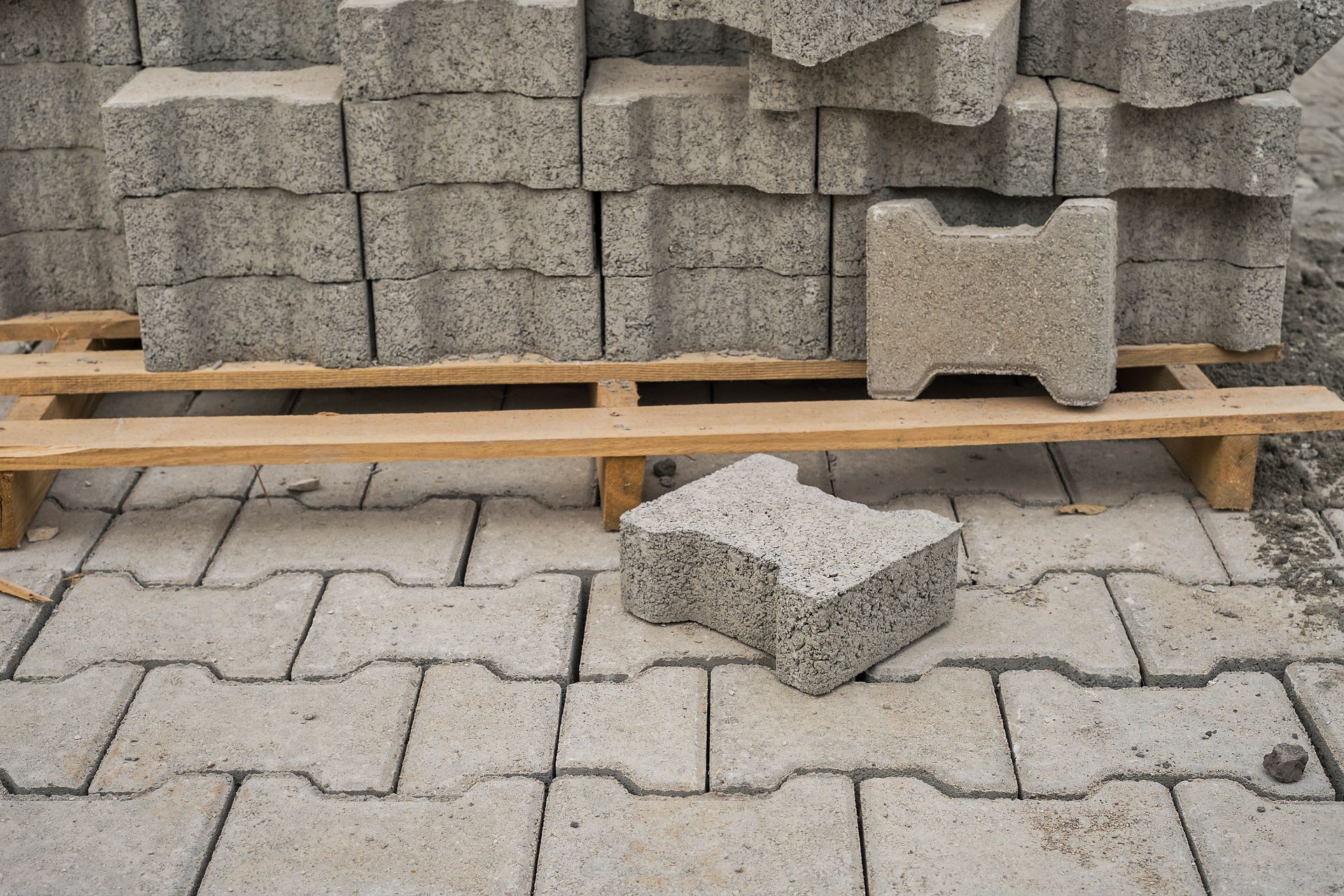
Selecting the right stone thickness is the first crucial step in planning your project. Using stones that are too thin for your intended purpose will inevitably lead to cracked units under heavy weight.
• Standard Patios: Choose stones roughly two and three-eighths inches thick for foot traffic and patio furniture.
• Driveway Applications: Opt for stones at least three and one-eighth inches thick to handle the weight of vehicles.
• Walkway Paths: Standard patio thickness works perfectly for residential walking paths and garden borders.
Tip #2: Do Not Skimp on the Aggregate Base Depth
The foundation under your stones does all the actual work holding the surface flat. A shallow base is the number one reason we get calls to repair failing hardscapes.
• Base Depth Rule: Patios need at least four inches of compacted base, while driveways require a minimum of six to eight inches.
• Material Choice: Use a coarse aggregate rock mix that compacts tightly without retaining water.
• Compaction Method: Run a heavy plate compactor over the base material in multiple short lifts, not all at once.
Tip #3: Account for Desert Soil Shifting
The soil in our area expands and contracts depending on moisture levels, especially during monsoon season. Your hardscape needs a specific barrier to prevent the native soil from mixing into your clean gravel base.
• Geotextile Fabric: Always install a woven separation fabric between the raw dirt and your aggregate base.
• Weed Prevention: The fabric blocks native soil from pushing up and stops weed seeds from taking root below the surface.
• Structural Integrity: Keeping the soil separated ensures the gravel base stays locked tight over decades of use.
Tip #4: Choose the Right Edge Restraint System
Without a solid border, the stones on the outside edges of your patio will eventually push outward and separate. The restraint system holds the entire puzzle together under pressure.
• Concrete Collars: Use a troweled concrete edge hidden below the grass line for the strongest hold.
• Plastic Spikes: Avoid cheap plastic edging that warps in the Arizona heat and pulls out of dry ground.
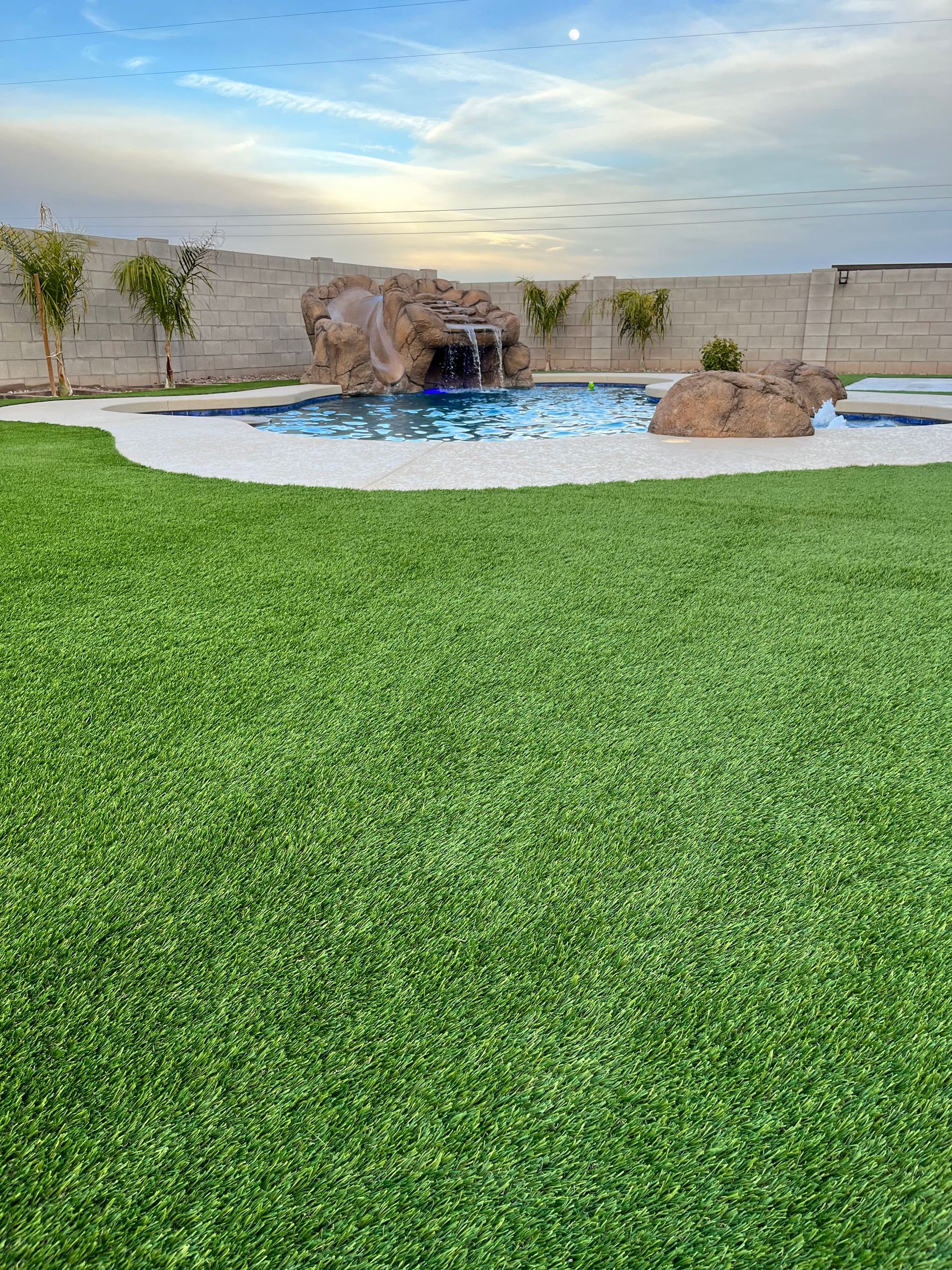
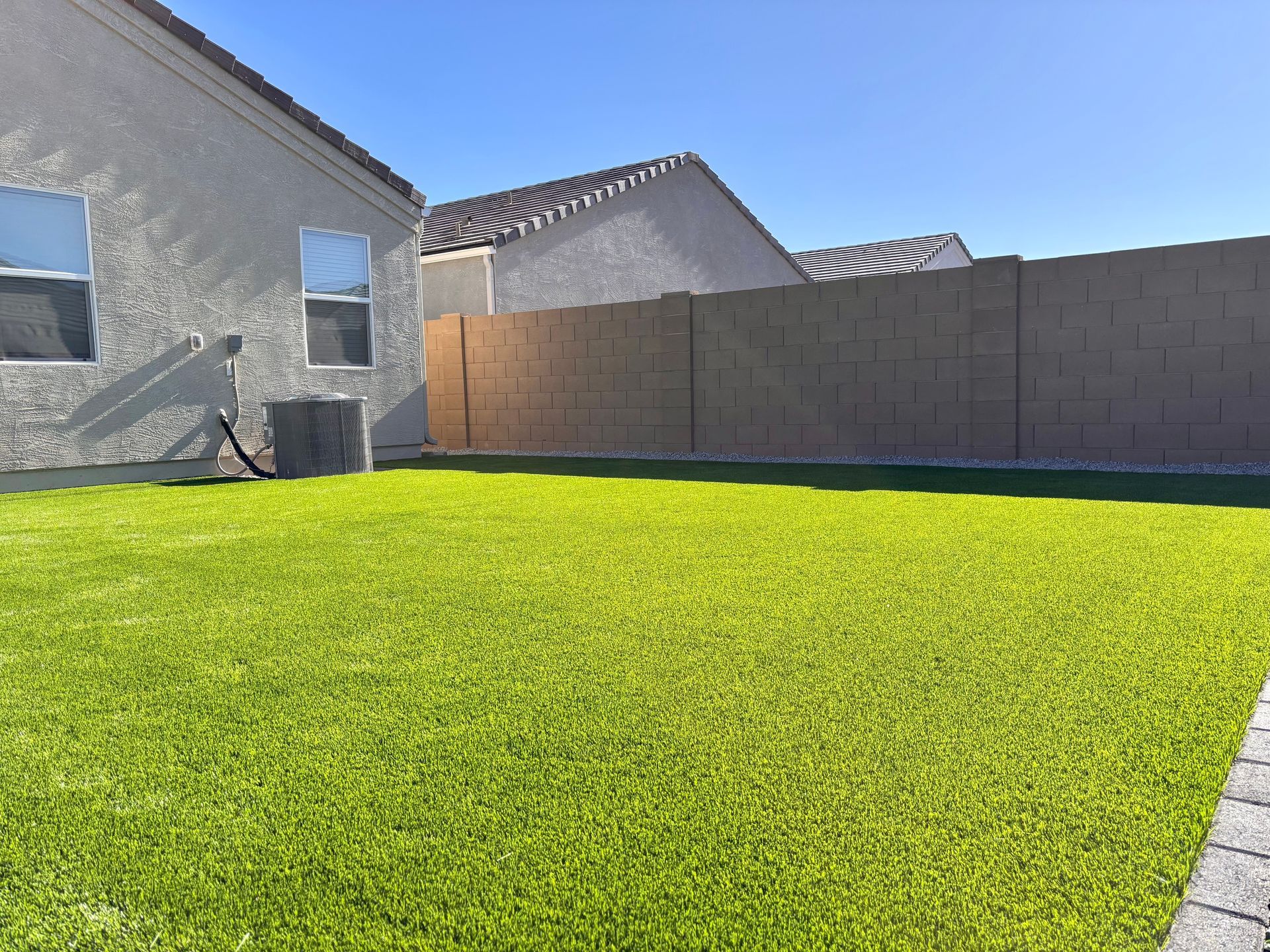
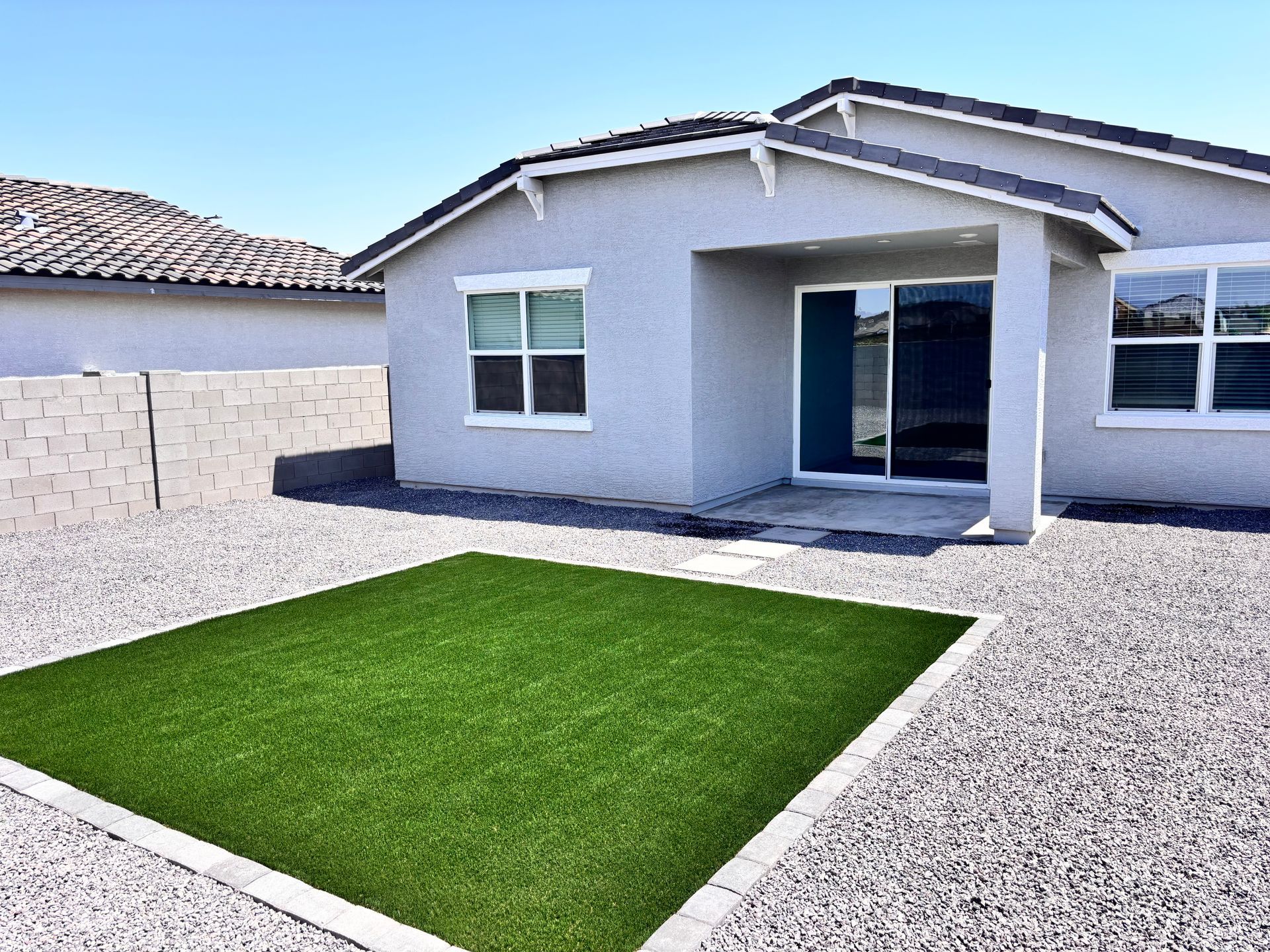
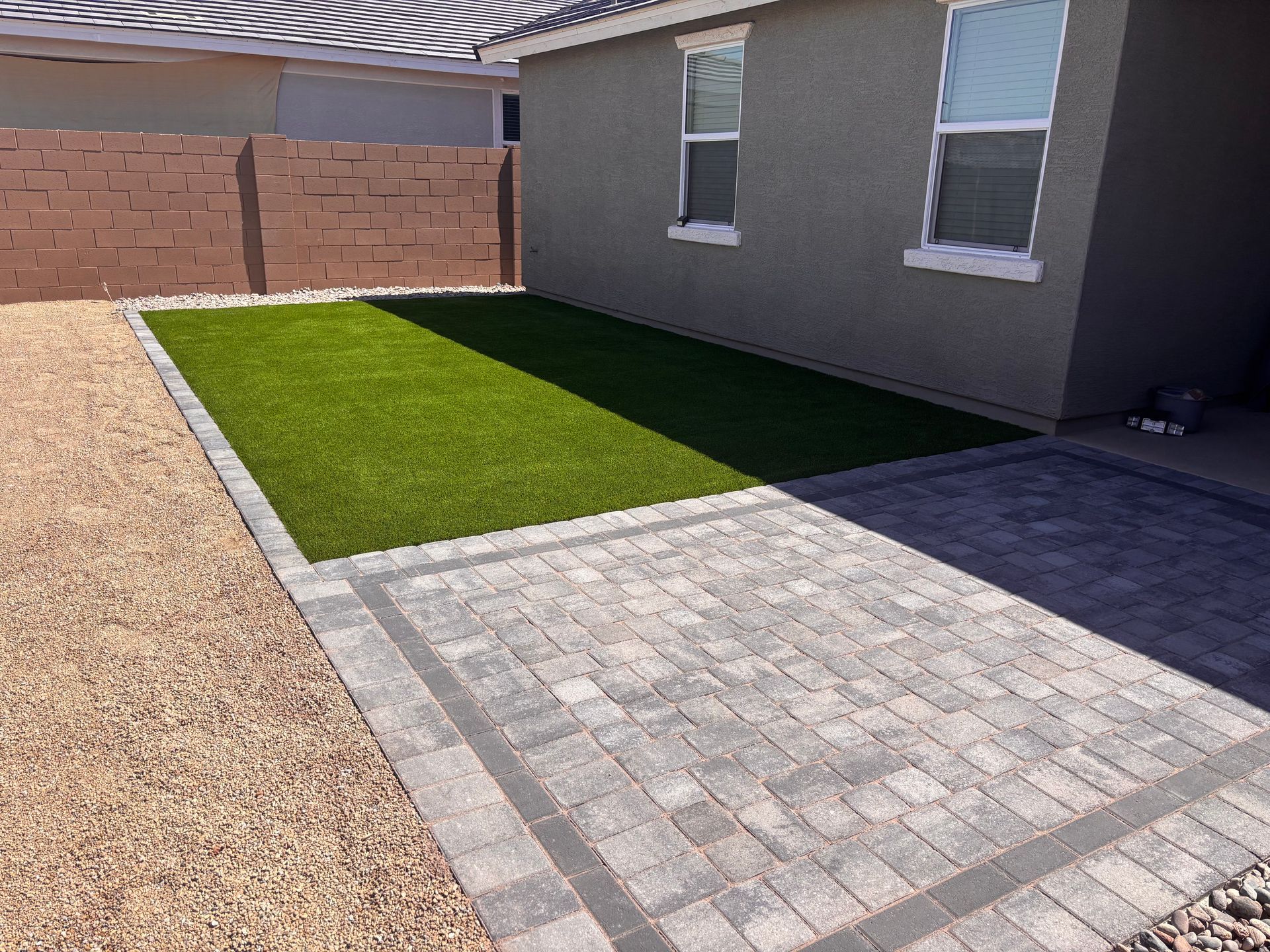
• Turf Integration: If installing artificial turf next to the patio, use the concrete collar to anchor the grass edge securely.
Tip #5: Plan for Drainage Before Laying Stones
Water must move away from your home foundation and off the hardscape surface quickly. Pooling water breaks down the joint sand and causes the stones to shift unevenly.
• Proper Grading: Set a minimum slope of one-quarter inch per foot away from the house to ensure active runoff.
• Sand Selection: Sweep polymeric sand into the joints, which hardens to lock stones together and resist water erosion.
• Downspout Routing: Plan your gutter downspouts to discharge past the new hardscape, not directly onto the stones.
Frequently Asked Questions
Can I use patio pavers for a driveway?
You should never use standard patio stones for a driveway surface. Vehicle tires exert twisting forces that easily crack thinner stones designed only for foot traffic. A proper driveway requires thicker stones and a much deeper, highly compacted base to handle the rolling weight.
How deep should a paver base be?
A standard backyard patio needs roughly four inches of compacted aggregate rock. A driveway requires a minimum of six to eight inches of base material. Digging deep enough to fit this base plus a sand layer and the stone itself is non-negotiable for a surface that will not sink.
Do pavers need to be sealed immediately?
You do not have to seal the stones on the exact day of installation. In fact, many professionals recommend waiting a few weeks to allow any natural efflorescence to wash out of the concrete. Once the stones are clean and dry, applying a high-quality joint stabilizing sealer protects the color and blocks stains.
Build a Hardscape That Actually Lasts
Focusing on the base depth and proper materials guarantees your new surface will stay flat and look sharp for years. You avoid the costly headache of ripping up sunken stones when you build it correctly the first time. Reach out when you are ready to plan a heavy-duty hardscape that is built to endure our tough local climate.
Share This Blog